Weird and Religious
In some African kingdoms in the past, human sacrifice was connected to royal funerals. Servants or captives could be killed to accompany a ruler, similar to practices elsewhere, reflecting the idea that social hierarchy continued after death.
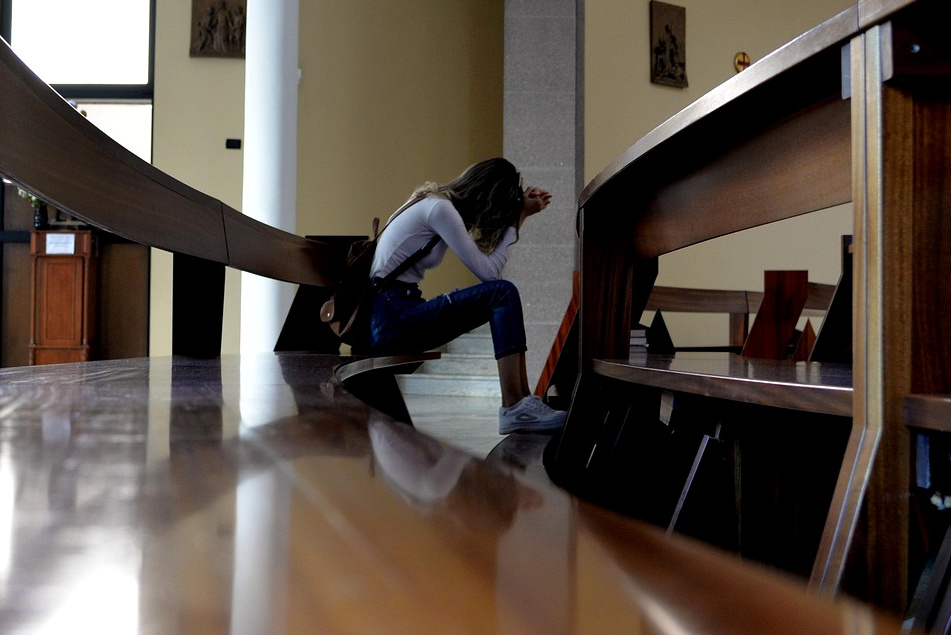
Religious image of the day.
In the name of religion
1992, Ayodhya in India. A large Hindu nationalist crowd demolished the Babri Masjid, followed by deadly communal riots. Participants justified the act as reclaiming the birthplace of the god Rama and correcting a historic religious insult, framing violence as sacred restoration and defence.
Fact
In Buddhism, mindfulness involves careful awareness of body, feelings, thoughts, and mental states, and Buddhism presents this as a way to understand experience directly.
Divine mandate
Ruling over others has always required justification, as force alone is costly and unstable. People obey more readily when they believe authority is legitimate rather than merely strong, and religion supplied that legitimacy. If a ruler governed by divine mandate, opposition became not just political disagreement but sacrilege. The ruler was no longer an individual issuing commands but the representative of a higher will. Disobedience was transformed into sin.
Quote of the day
“Religion is what keeps the poor from murdering the rich.” Napoleon Bonaparte.
Ask the right question
Why do near death experiences vary so much across cultures if they are glimpses of the same afterlife?
Religious Crooks
Nithyananda is a Hindu self proclaimed guru accused of sexual assault and abuse of followers, facing criminal charges in India, with critics alleging that spiritual status was used to manipulate devotees.
For more information, google the name.
Every country in the world has its fair share of spiritual crooks.
If a real God existed, would he allow crooks to act on his behalf?