Weird and Religious
The medieval Catholic practice of selling indulgences promised to reduce time in purgatory in exchange for money or acts. This commercial approach to the afterlife later helped spark the Protestant Reformation.
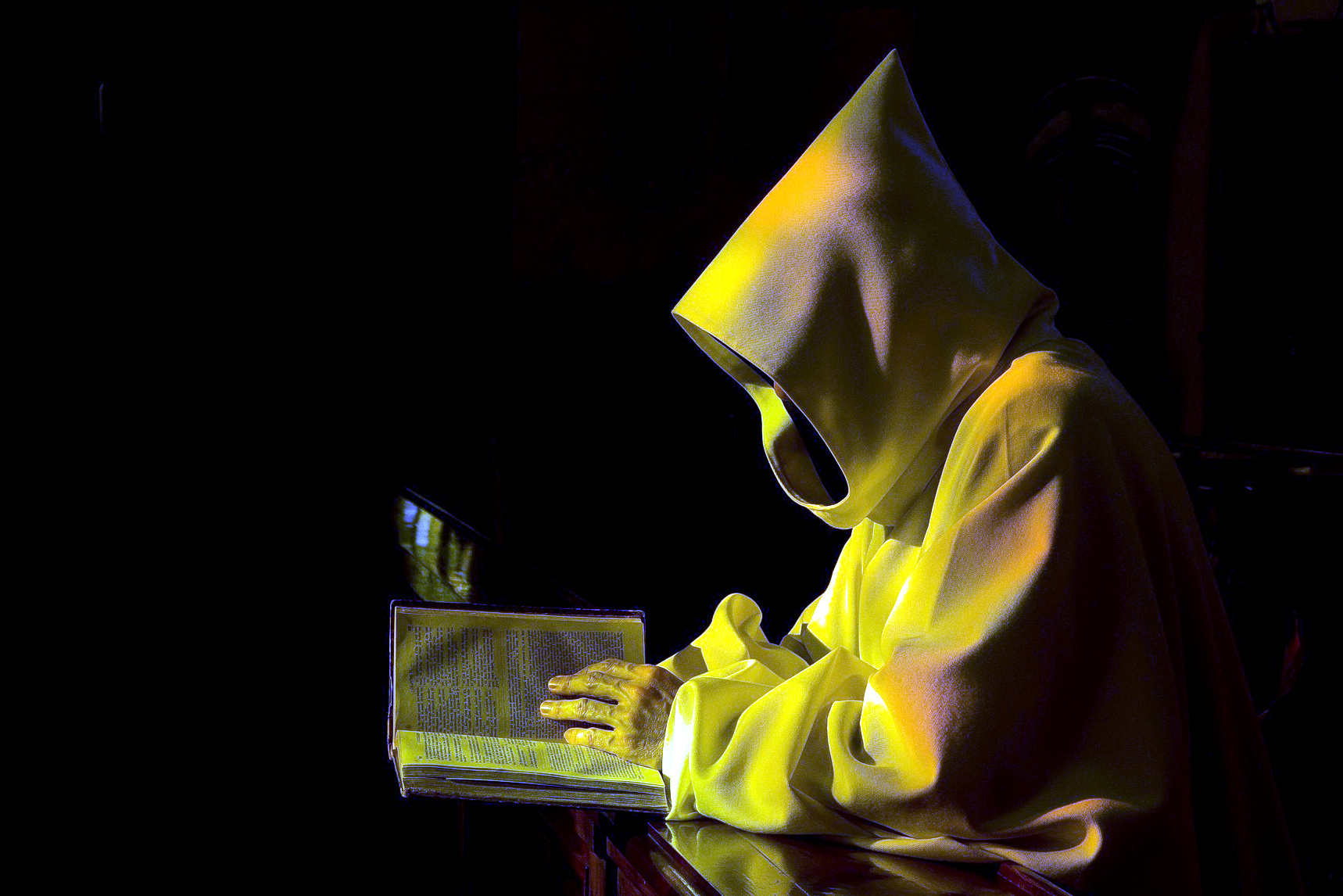
Religious image of the day.
In the name of religion
1536 to 1541, Cuzco region of Peru. Spanish conquest of the Inca Empire involved battles, executions, and repression of resistance alongside forced Christianisation. Conquest was framed as spreading the true faith, ending idolatry, and exercising divine authority granted to Christian rulers and missionaries.
Fact
In Shinto, respect, sincerity, and gratitude are key attitudes, and Shinto links these qualities to proper relationship with kami and people.
Managing women
Sin became the central tool in maintaining male domination. Women were cast as moral liabilities, sources of temptation, and gateways to corruption. Female sexuality was treated as dangerous by default, while male sexuality was seen as natural and difficult to restrain. The burden of control fell solely on women. Dress codes, segregation, purity laws, and behavioural restrictions were imposed to manage male desire without ever questioning male responsibility. This imbalance appears throughout religions, yet nowhere is it more rigidly codified and actively enforced today than in Islam.
Quote of the day
“The whole conception of God is a conception derived from the ancient Oriental despotisms.” Bertrand Russell.
Ask the right question
Why would a god reveal different and conflicting rules to different groups of people?
Religious Crooks
Elizabeth Clare Prophet headed the Church Universal and Triumphant, promoting apocalyptic prophecies and spiritual teachings while building a large organisation funded by followers, with critics pointing to failed end times predictions and heavy financial demands.
For more information, google the name.
Almost all of the crooks appearing in this section have their own wikipedia page.
Throughout history and still to this day, there has never been a shortage of religious leaders who were not always following their own spiritual advice.