Weird and Religious
Among certain Celtic groups in Iron Age Europe, classical writers claimed that prisoners of war were sacrificed in large wicker structures sometimes described as “wicker men.” The victims were burned as offerings to the gods, though modern historians debate how literal these reports were.
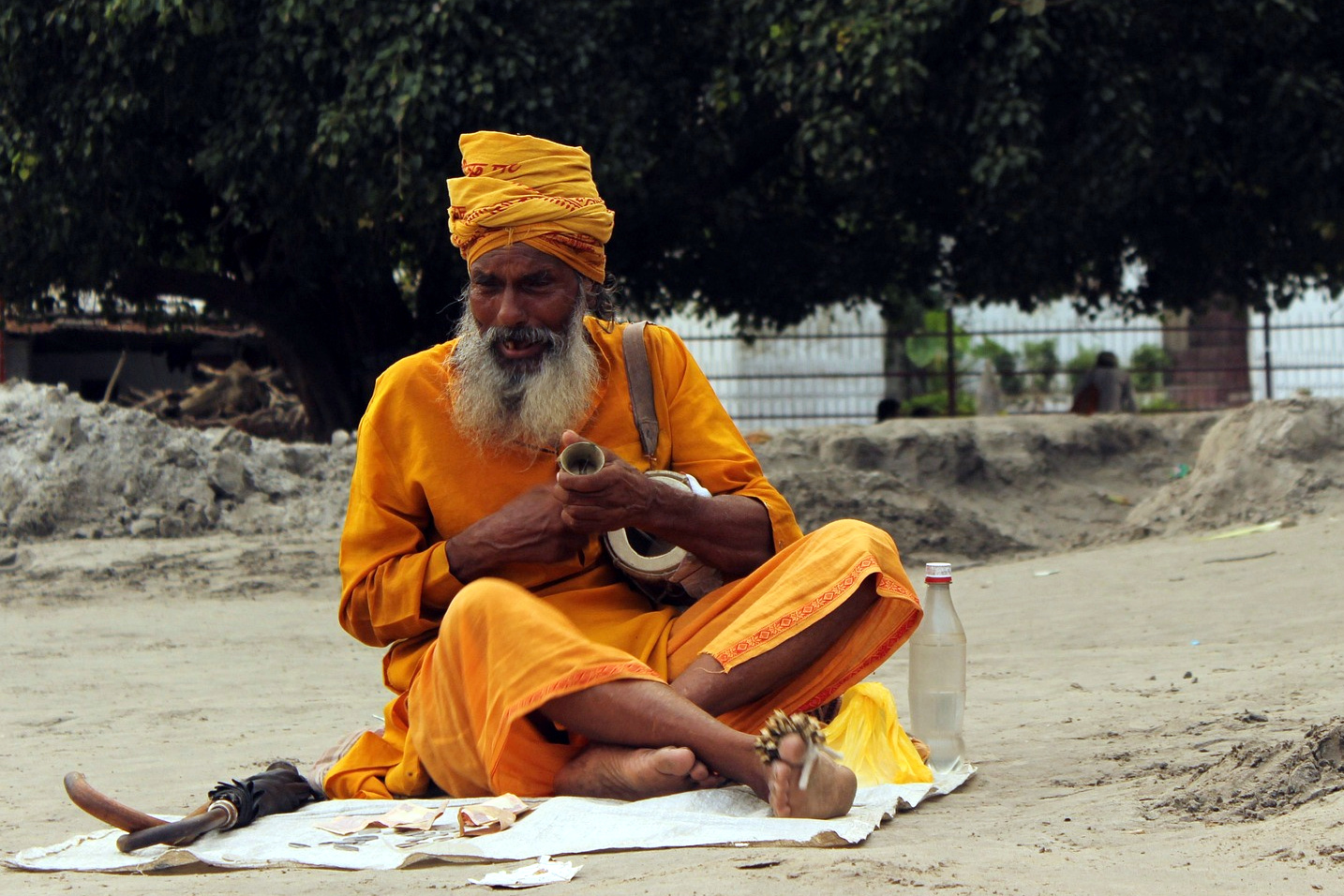
Religious image of the day.
In the name of religion
1857, northern India. During the Indian Rebellion, massacres and reprisals occurred on both sides. Religious fears over conversion and defilement played a role. Participants justified violence as defending Islam or Hindu tradition and protecting sacred customs from perceived foreign religious threat.
Fact
In Sikhism, family life is accepted as part of the spiritual path, and Sikhism does not require withdrawal from society to pursue faith.
Allah helps Muhammad
Many of the revelations Muhammad received conveniently address some of his immediate problems. His revelations repeatedly resolved personal, social, and political difficulties in his favour. When questioned, revelation arrived. When challenged, revelation defended him. When desire conflicted with custom, revelation adjusted custom. God’s will aligned flawlessly with Muhammad’s interests. His authority expanded, his position was secured, his critics were condemned, and his actions were sanctified. This was not occasional. It was structural.
This does not require malicious intent to be revealing. Whether Muhammad consciously invented revelations or sincerely believed them is secondary. The outcome is the same. Divine authority was indistinguishable from personal authority. God spoke, and Muhammad benefited. The fact that no revelation ever constrained his power, reduced his privileges, or undermined his position is not evidence of divine wisdom. It is evidence of authorship.
Quote of the day
“Religion divides people. It has been a bloody business.” Christopher Hitchens.
Ask the right question
If religious law is timeless, why do believers quietly ignore many old rules while insisting others remain binding?
Religious Crooks
Paul Mackenzie, a Kenyan preacher, led a small religious group in which followers were urged to undertake extreme fasting to meet Jesus, leading to mass deaths and investigations into how religious control and isolation were used within the community.
For more information, google the name.
Almost all of the crooks appearing in this section have their own wikipedia page.Every country in the world has its fair share of spiritual crooks.
Throughout history and still to this day, there has never been a shortage of religious leaders who were not always following their own spiritual advice.