Weird and Religious
In early Japan, there are legends of hitobashira, or “human pillars,” where people were supposedly buried alive at the base of bridges or castles to appease spirits and ensure the stability of the structure. Whether all accounts are historical or partly mythical, the belief shows a link between construction and sacrifice.
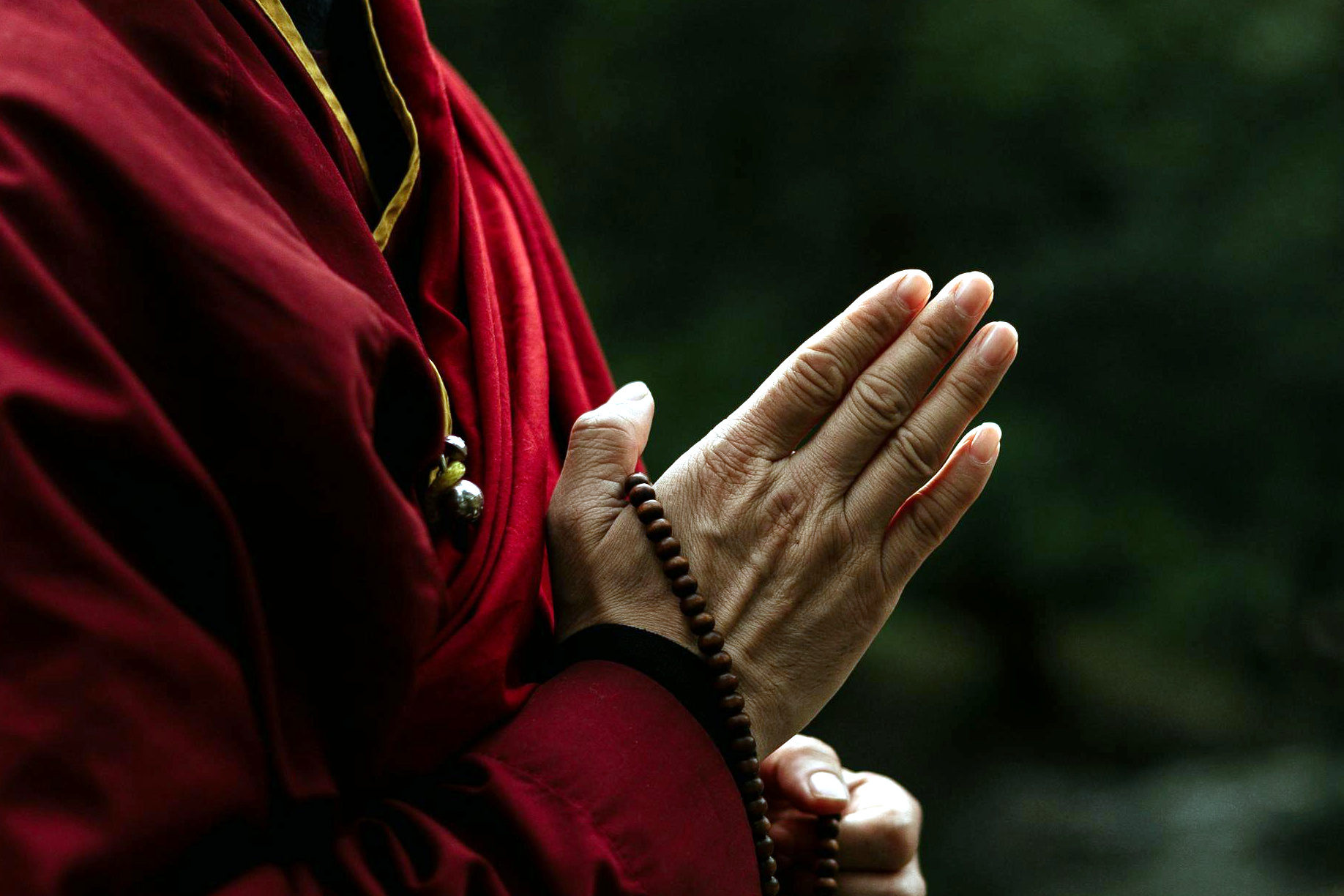
Religious image of the day.
In the name of religion
2001, Gujarat, India, post earthquake tensions. Some Hindu extremist groups attacked Christian missionaries and churches. Perpetrators justified violence as protecting Hindu society from conversion and defending the nation’s religious identity.
Fact
In Islam, earlier prophets such as Abraham, Moses, and Jesus are recognised, and Islam teaches that they also brought guidance from the same God.
Blessing violence
Wars most clearly demonstrate the partnership between religion and rulers. Religion has rarely restrained violence; it has sanctified it. Enemies were redefined as unbelievers, heretics, or infidels, and killing them became an act of virtue. Land was seized under divine approval, and atrocities were reframed as holy duty. Across cultures and centuries, the same pattern repeats. Whenever violence serves power, religion provides its blessing.
Quote of the day
“Where knowledge ends, religion begins.” Benjamin Disraeli.
Ask the right question
Why would an all powerful being choose suffering as a teaching tool rather than clearer and kinder methods?
Religious Crooks
David Koresh led the Branch Davidians in the United States, claiming unique prophetic status while controlling members’ lives, relationships, and resources, with critics and former members describing a system where religious authority justified personal power and material control.
For more information, google the name.
Every country in the world has its fair share of spiritual crooks.
If a real God existed, would he allow crooks to act on his behalf?