Weird and Religious
Among certain Celtic groups in Iron Age Europe, classical writers claimed that prisoners of war were sacrificed in large wicker structures sometimes described as “wicker men.” The victims were burned as offerings to the gods, though modern historians debate how literal these reports were.
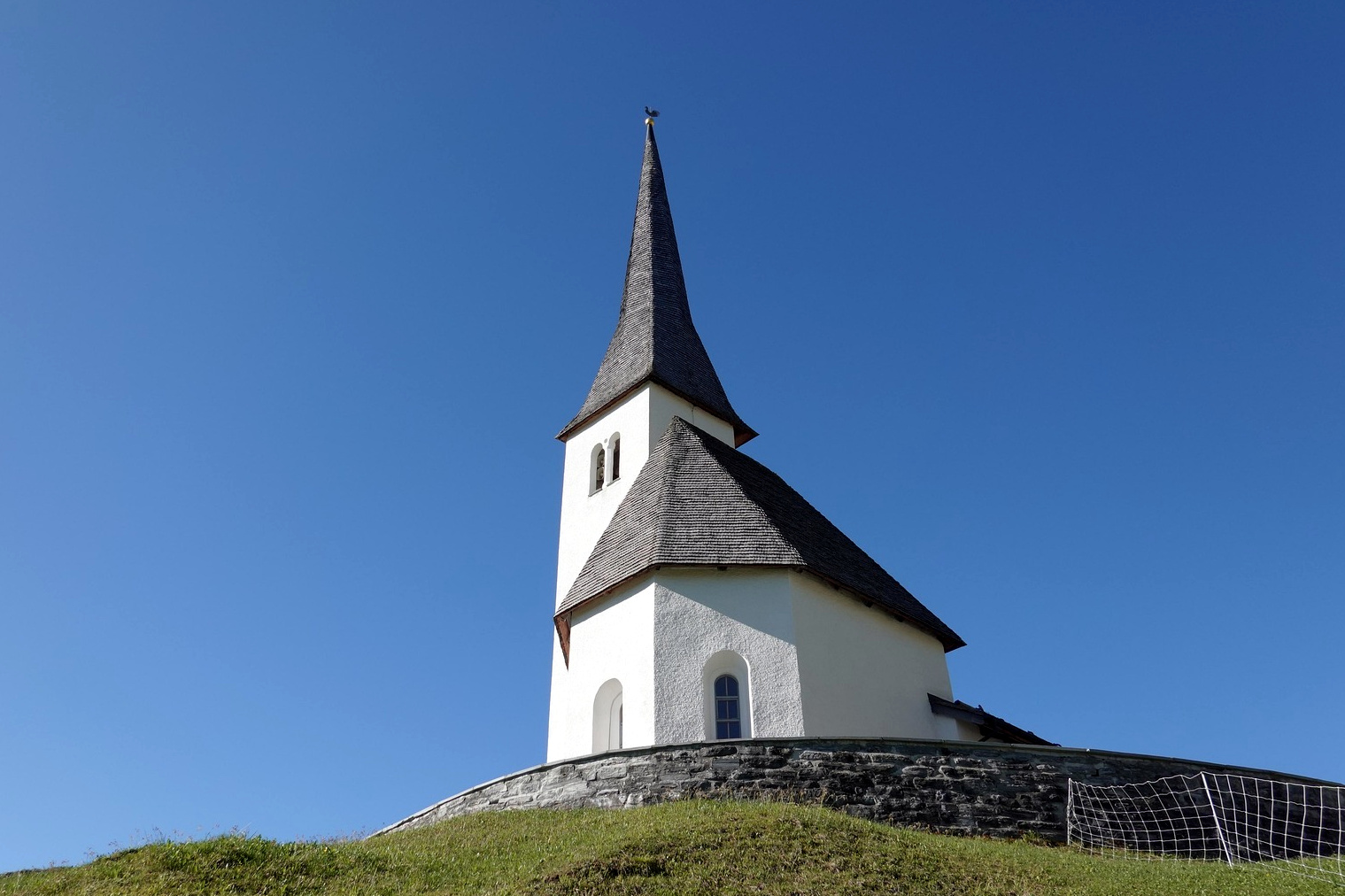
Religious image of the day.
In the name of religion
1998, Maluku Islands in Indonesia. Christian and Muslim militias clashed in communal warfare, burning villages and killing civilians. Both sides justified violence as defence of their Christian or Muslim faith communities, protection of churches or mosques, and resistance to domination.
Fact
In Judaism, the Sabbath, known as Shabbat, is observed weekly, and Judaism sets aside this day for rest, worship, and withdrawal from ordinary work.
Certainty over Evidence
Modern culture is saturated with opinions presented as facts and feelings elevated to authority. The speed and volume of information have made it easier than ever to circulate claims without verification. People increasingly accept what aligns with their existing beliefs and reject what challenges them. This tendency did not originate with social media. Religion normalised it centuries earlier. Faith taught people to trust internal certainty over external evidence and to treat doubt as moral failure rather than intellectual caution.
Quote of the day
“The easy confidence with which I know another man’s religion is folly teaches me to suspect that my own is also.” Mark Twain.
Ask the right question
If moral behaviour can be explained by evolution and social cooperation, what extra explanatory work does religion do?
Religious Crooks
Eileen George was an American Catholic visionary figure who reported apparitions and attracted donations and devotional followers, with sceptics arguing that unverified supernatural claims were used to sustain a personality centred religious following.
For more information, google the name.
Almost all of the crooks appearing in this section have their own wikipedia page.
Throughout history and still to this day, there has never been a shortage of religious leaders who were not always following their own spiritual advice.