Weird and Religious
In early Japan, there are legends of hitobashira, or “human pillars,” where people were supposedly buried alive at the base of bridges or castles to appease spirits and ensure the stability of the structure. Whether all accounts are historical or partly mythical, the belief shows a link between construction and sacrifice.
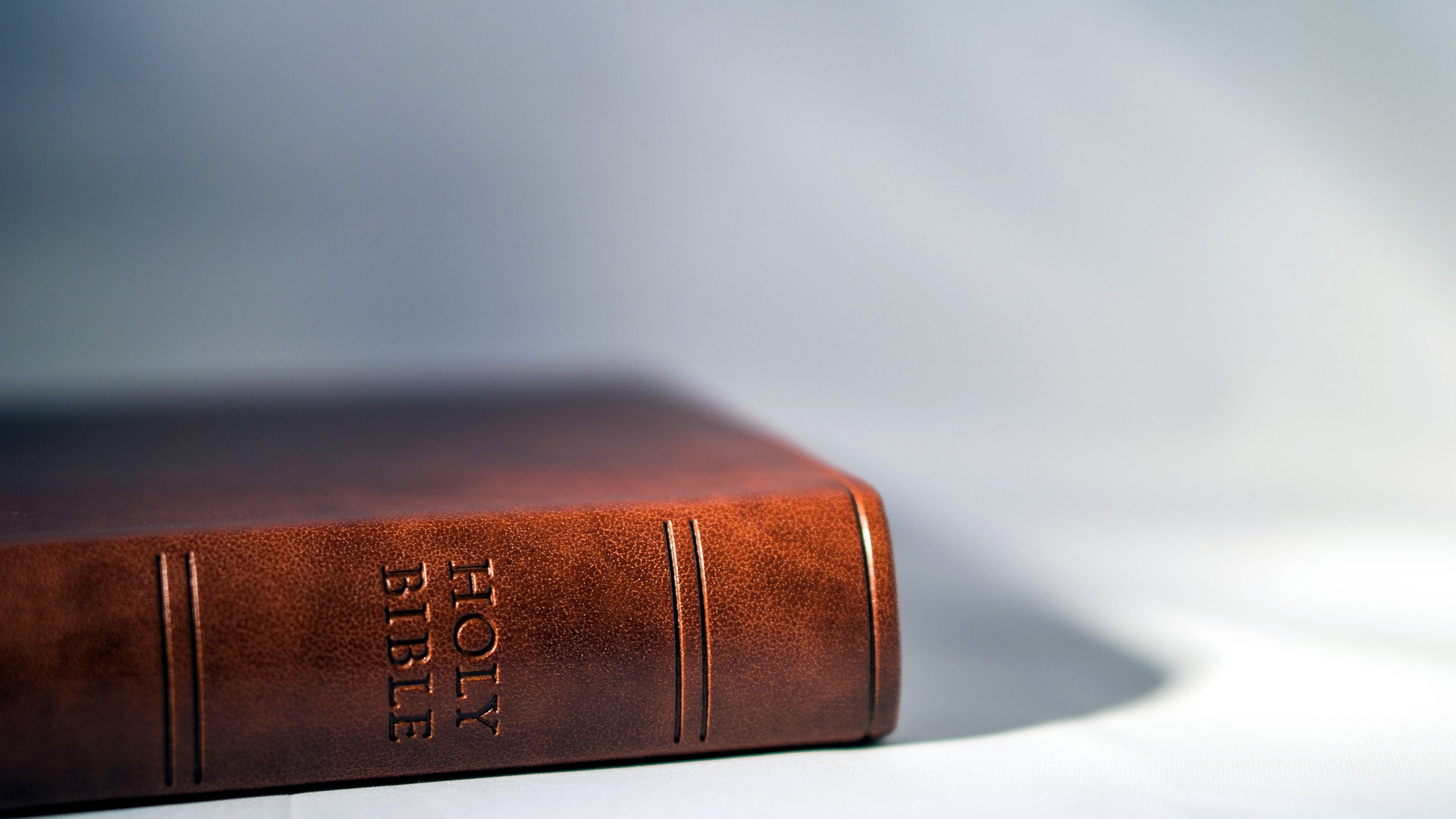
Religious image of the day.
In the name of religion
2020, France, Nice. An Islamist extremist killed worshippers in a church. The attacker framed the act as revenge for perceived insults to Islam and justified killing civilians as part of a religious struggle against unbelievers.
Fact
In Hinduism, Brahman is the name for ultimate reality, understood as the underlying spiritual essence behind everything that exists, beyond all forms and names.
Acceptance, not evidence
There is a distinction between claims that matter and those that do not. Everyday assertions are often accepted without scrutiny because the stakes are low. If someone claims there is an ant under the carpet, few people demand proof. If someone claims a god exists, dictates morality, judges behaviour, and determines eternal fate, the burden of proof is immense. Extraordinary claims that carry extraordinary consequences require extraordinary evidence. Religion offers none, yet demands acceptance.
Quote of the day
“When one person suffers from a delusion, it is called insanity. When many people suffer from a delusion it is called religion.” Robert M. Pirsig.
Ask the right question
Why do end times predictions repeatedly fail across many religions and centuries?
Religious Crooks
Swami Premananda was a Hindu guru who ran an ashram in India and attracted international followers, later convicted of rape and linked to additional serious crimes, with courts finding that his spiritual authority was used to control and exploit devotees.
For more information, google the name.
That was just a tiny case in a vast ocean of religious crooks.