Weird and Religious
In ancient Rome, priests known as augurs interpreted the will of the gods by watching birds. The direction of flight, their calls, and even how chickens ate grain could influence state decisions such as whether to go to war.
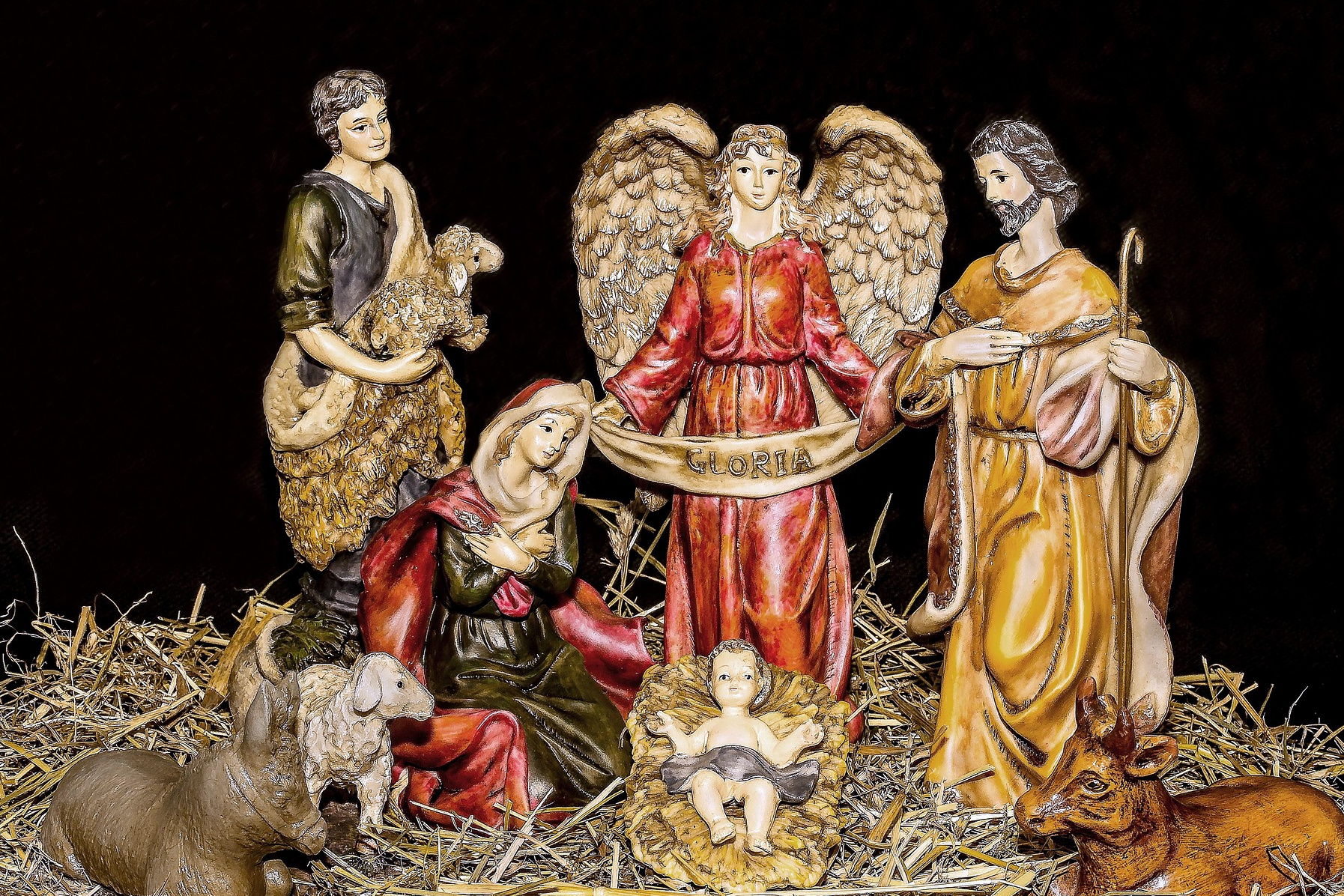
Religious image of the day.
In the name of religion
1804, Haiti. During the revolution, violence included killings of French settlers. While largely anti colonial, some rebels drew on Vodou religious elements and spiritual authority, framing struggle as divinely supported liberation from Christian slaveholders and oppressive religious order.
Fact
In Christianity, confession of sins is practised in various ways, and Christianity encourages admitting faults before God and seeking forgiveness.
The expansion of gods
When societies expanded into city-states and empires, their gods expanded with them. Local spirits that once protected villages could not govern vast populations, and pantheons arose to reflect increasingly complex political systems. Gods developed hierarchies, families, and jurisdictions, mirroring the bureaucracies that managed the human world. Divine quarrels mirrored political struggles, and celestial order became an echo of imperial organisation. Religion evolved into a reflection of statecraft projected onto the heavens, its structure familiar precisely because it was copied.
Quote of the day
“Religion is regarded by the common people as true, by the wise as false, and by rulers as useful.” Seneca.
Ask the right question
How can eternal punishment be a just response to mistakes made during a short and limited human life?
Religious Crooks
Paul Schäfer led Colonia Dignidad in Chile, presenting it as a Christian community while running an isolated compound where followers’ labour and assets were controlled, later exposed as a site of extensive abuse and corruption.
For more information, google the name.
That was just a tiny case in a vast ocean of religious crooks.