Weird and Religious
In medieval Europe, people believed that church bells could drive away storms and demons. Bells were blessed with holy water and given names, and ringing them during bad weather was meant to protect crops and villages.
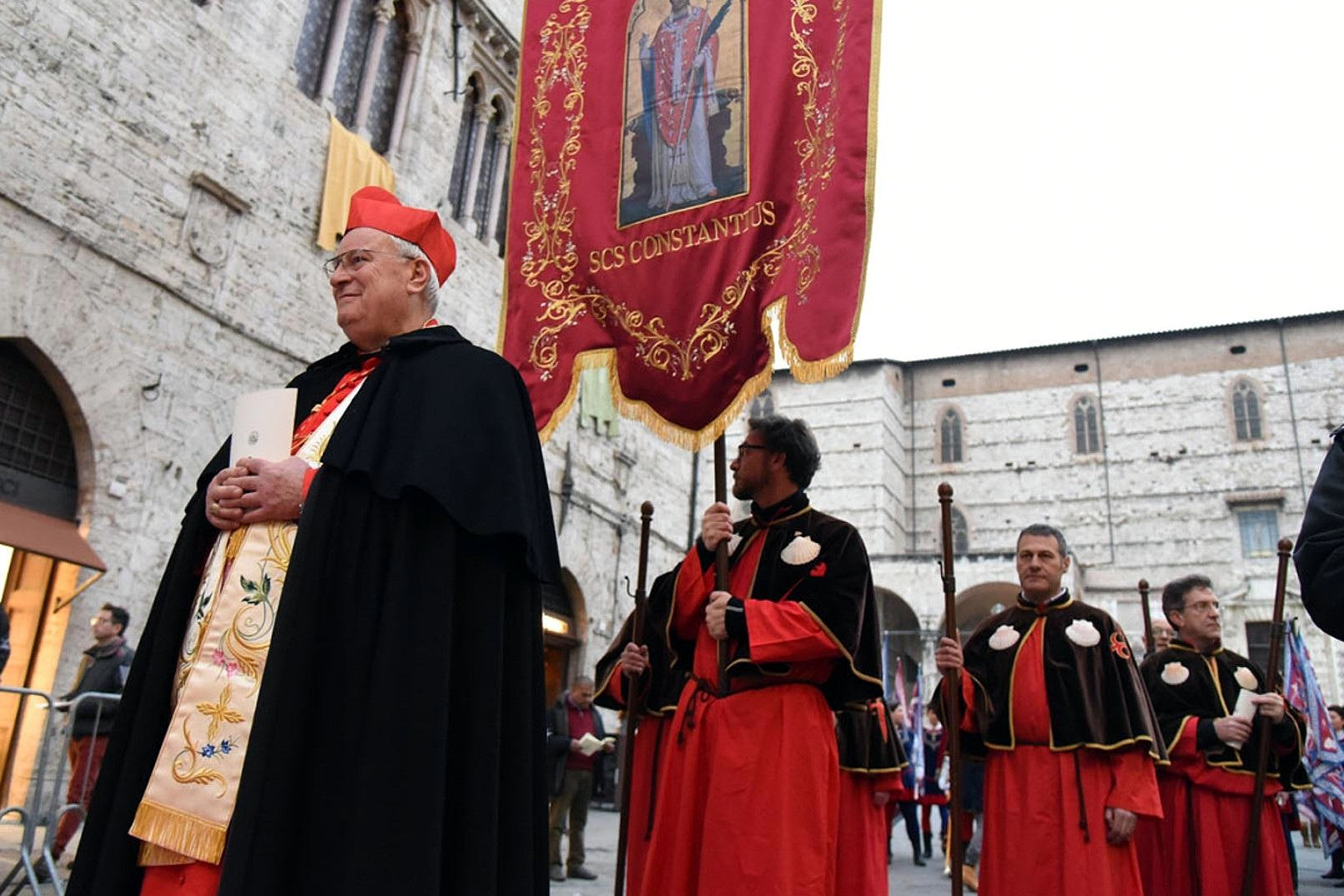
Religious image of the day.
In the name of religion
1839 to 1842, Qing China. The Taiping movement, led by Hong Xiuquan who claimed a Christian inspired divine mission, began rebellion that became a massive war. Followers justified violence as establishing a heavenly kingdom, destroying demons, and carrying out God’s will on earth.
Fact
In Confucianism, self control is important, and Confucianism links restraint and moderation with moral development.
Agency by default
Early humans had no concept of natural processes operating without intention, and the idea that things could happen for no reason, or for reasons that did not involve choice, was alien to them. Agency was the default assumption, for if something occurred, someone must have made it occur. Gods became the universal answer precisely because they could be applied universally. They were flexible enough to explain anything and invisible enough to avoid contradiction, and when one explanation failed, another divine motive could always be added without disturbing the underlying belief.
Quote of the day
“Religion is excellent stuff for keeping common people quiet.” Napoleon Bonaparte.
Ask the right question
Why would an all powerful being choose fragile human memory and copying as the method to preserve an eternal message?
Religious Crooks
Marcial Maciel was the founder of the Legionaries of Christ, a Catholic religious order, and was later found by Vatican investigations to have sexually abused minors and seminarians over many years while using his religious status to avoid scrutiny.
For more information, google the name.
Almost all of the crooks appearing in this section have their own wikipedia page.Every country in the world has its fair share of spiritual crooks.
Throughout history and still to this day, there has never been a shortage of religious leaders who were not always following their own spiritual advice.