Weird and Religious
Early Christianity had groups who believed extreme self denial brought them closer to holiness. Some hermits lived on top of pillars for years, exposed to the weather, preaching to people below. These “pillar saints” thought physical suffering purified the soul.
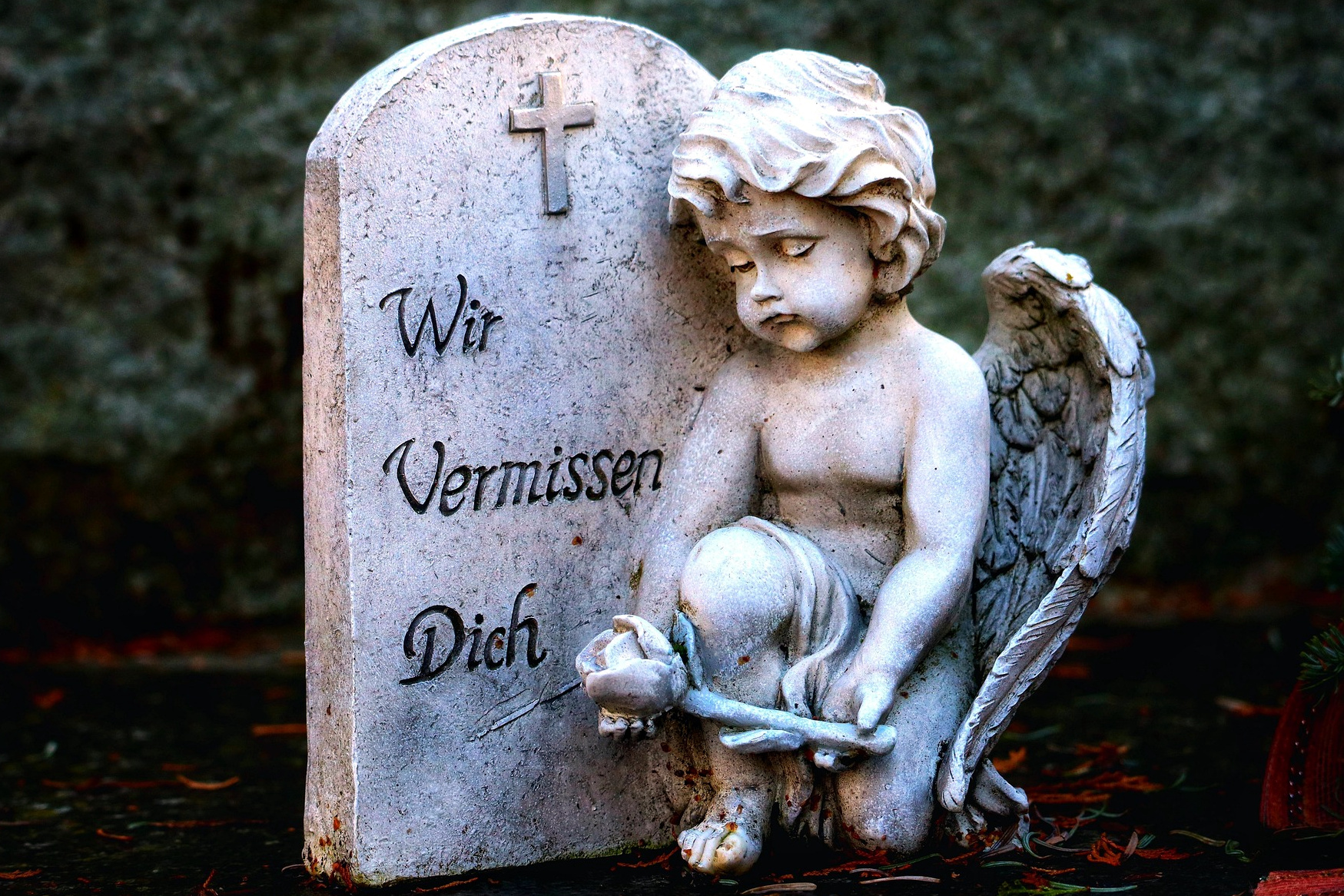
Religious image of the day.
In the name of religion
1568 to 1648, parts of the Netherlands and German lands. Conflicts within the Eighty Years War and Thirty Years War saw massacres and destruction tied to Catholic and Protestant divisions. Violence was justified as defending correct doctrine, protecting believers, and ruling territories according to God’s will.
Fact
In Confucianism, respect for tradition is strong, and Confucianism looks to the past for models of ethical and political order.
Prophets or politicians?
What is striking is how ordinary prophets look once the divine coating is removed. They argue, negotiate, threaten, desire, and react like anyone else placed in a position of absolute authority. They are not moral outliers. They are power holders. The difference is that their power is framed as sacred rather than political, which makes it harder to resist and easier to abuse. Religion asks that these figures be admired, imitated, and obeyed. It discourages the most basic question of all. Why this person. Why this voice. Why these rules. Once those questions are allowed, the pattern becomes obvious. Gods do not choose messengers. Humans choose leaders, and some leaders learn that claiming a god is the most effective way to secure obedience.
Quote of the day
“What can be asserted without evidence can also be dismissed without evidence.” Christopher Hitchens.
Ask the right question
If sacred texts were preserved perfectly, why do we see variations, lost manuscripts and translation disputes?
Religious Crooks
Paul Sanyangore is a Zimbabwean preacher known for staged miracle and prophecy demonstrations, with sceptics alleging that religious theatre is used to generate income and public attention.
For more information, google the name.
Every country in the world has its fair share of spiritual crooks.
Throughout history and still to this day, there has never been a shortage of religious leaders who were not always following their own spiritual advice.