Weird and Religious
In parts of Southeast Asia, spirit houses are built outside homes or businesses to give local spirits a place to live. Offerings of food, drinks, or incense are made so the spirits do not cause trouble, creating a parallel unseen household beside the human one.
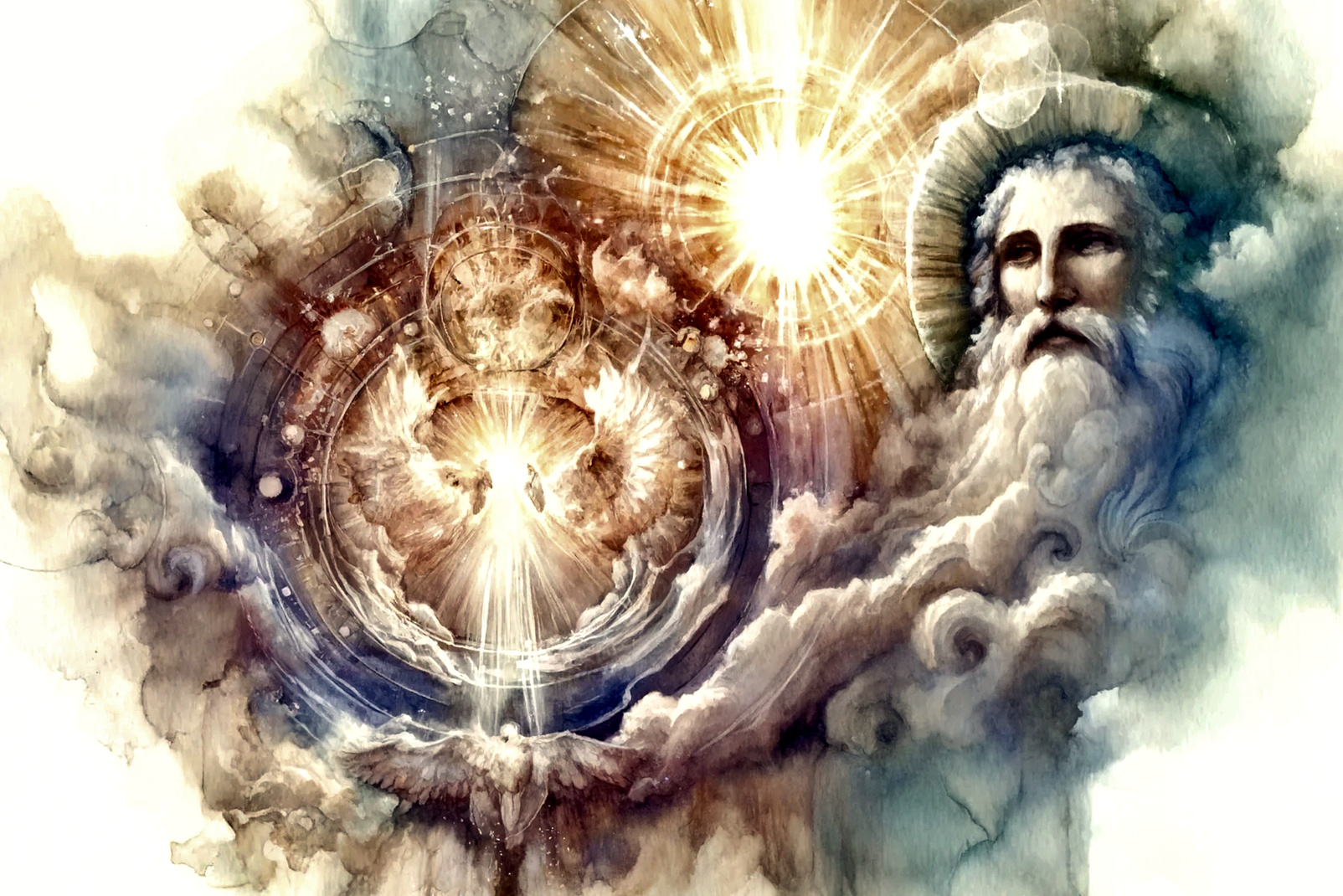
Religious image of the day.
In the name of religion
2017, Marawi in the Philippines. Islamist Muslim militants seized parts of the city, leading to months of fighting. The group justified the uprising as establishing an Islamic caliphate in Southeast Asia, enforcing Islamic rule, and resisting a government seen as illegitimate.
Fact
In Shinto, local traditions vary, and Shinto adapts to regional customs while maintaining core ideas about kami and purity.
Acceptance, not evidence
There is a distinction between claims that matter and those that do not. Everyday assertions are often accepted without scrutiny because the stakes are low. If someone claims there is an ant under the carpet, few people demand proof. If someone claims a god exists, dictates morality, judges behaviour, and determines eternal fate, the burden of proof is immense. Extraordinary claims that carry extraordinary consequences require extraordinary evidence. Religion offers none, yet demands acceptance.
Quote of the day
“The easy confidence with which I know another man’s religion is folly teaches me to suspect that my own is also.” Mark Twain.
Ask the right question
Why should ancient testimony about supernatural events be trusted when we reject similar modern claims as unreliable?
Religious Crooks
Julio César Grassi is an Argentine Catholic priest who founded a charity for vulnerable children and was later convicted of sexually abusing minors in his care, with investigations showing how his religious and charitable status helped shield him for years.
For more information, google the name.
Today we took a look at yet another religious crook but there are hundreds of thousands of them. You could spend a lifetime researching the topic.