Weird and Religious
In 7th century Arabia, poetry was so culturally important that public recitations could raise or destroy a tribe’s reputation. Poets were seen as having almost supernatural verbal power, and verses could function like political weapons long before written law was widespread.
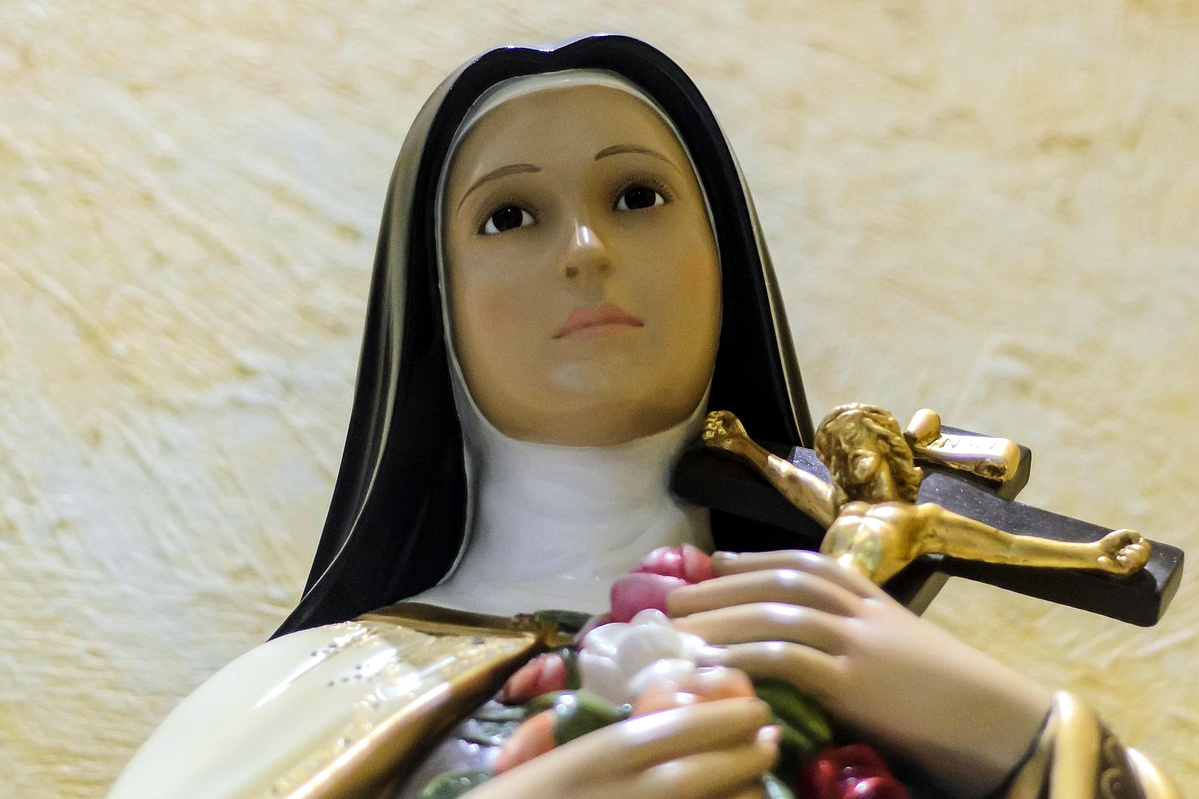
Religious image of the day.
In the name of religion
1994, Rwanda. Christian majority context. While mainly ethnic, church spaces were massacre sites and some clergy were complicit. Extremists manipulated Christian language about obedience and order, using religious authority structures to legitimise control, while others resisted and sheltered victims.
Fact
In Christianity, mercy is a key attribute, and Christianity encourages showing compassion and forgiveness rather than strict punishment.
Faith and morality
Religion frequently asserts that faith promotes morality, yet this confuses obedience with ethics. Faith-based morality is guided not by empathy or consequence but by authority. Actions are judged good or evil according to who commands them, not according to who suffers from them. This is why religion can justify cruelty with a clear conscience. When divine command overrides moral reflection, reason is silenced, and atrocity becomes duty.
Quote of the day
“The fact that a believer is happier than a sceptic is no more to the point than the fact that a drunken man is happier than a sober one.” George Bernard Shaw.
Ask the right question
How can eternal punishment be a just response to mistakes made during a short and limited human life?
Religious Crooks
David Berg founded the Children of God movement, later called The Family International, promoting radical religious teachings while encouraging followers to surrender money and, according to former members, using sexuality and spiritual pressure as tools of control.
For more information, google the name.
Every country in the world has its fair share of spiritual crooks.
If a real God existed, would he allow crooks to act on his behalf?