Weird and Religious
Early Christianity had groups who believed extreme self denial brought them closer to holiness. Some hermits lived on top of pillars for years, exposed to the weather, preaching to people below. These “pillar saints” thought physical suffering purified the soul.
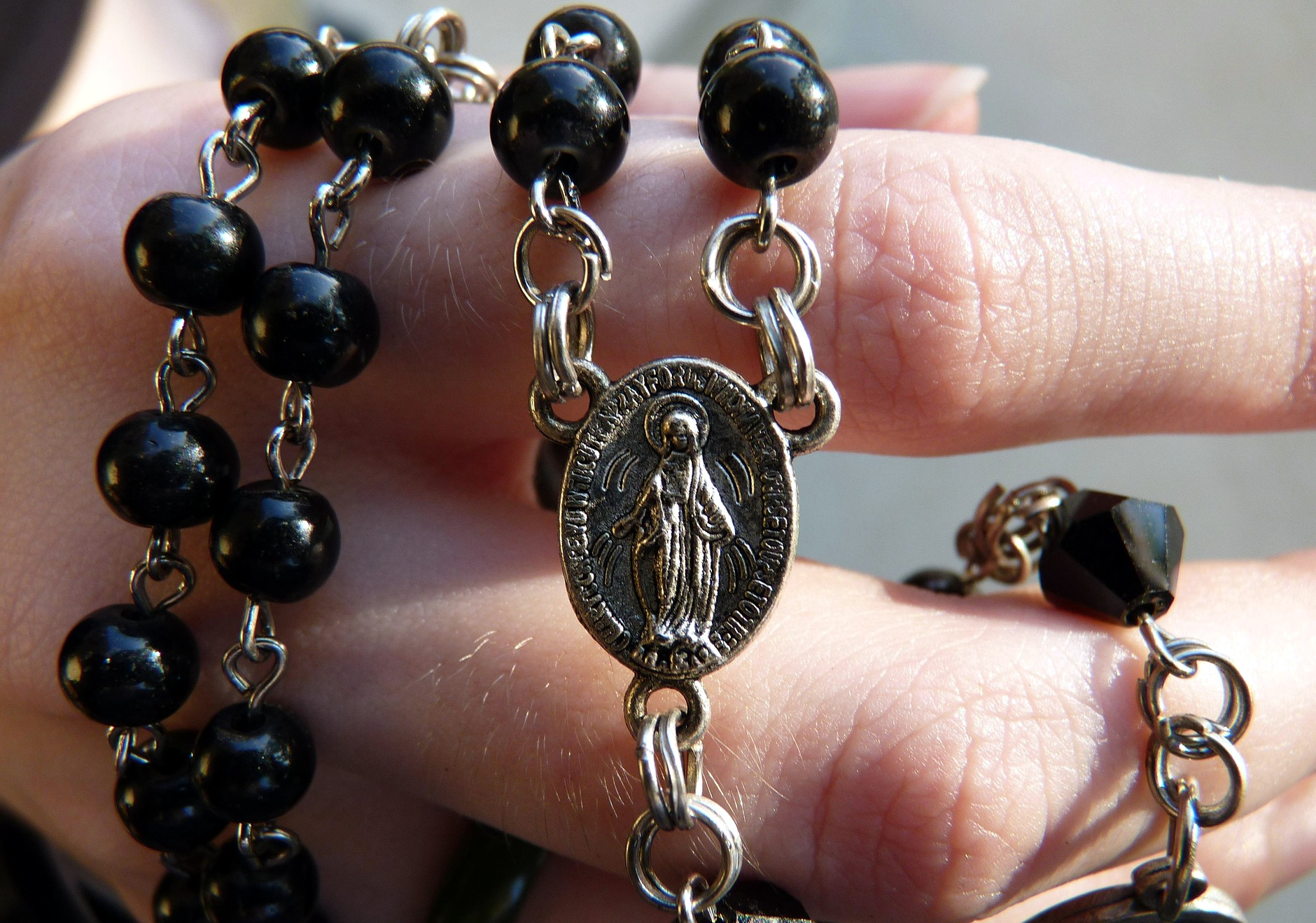
Religious image of the day.
In the name of religion
1618, Bohemia in central Europe. Early Thirty Years War violence followed religious and political confrontation between Protestant nobles and Catholic authority. Each side justified armed action as defending the true Christian faith and resisting religious oppression imposed by rival confessions.
Fact
In Jainism, strict self discipline is valued, and Jainism encourages control over desires, speech, and physical actions.
The failure of Free Will
According to many believers, God is all powerfull and everything happen's according to God's will. Yet, the same believers will insist that their God does not control evil. Attempts to escape this dilemma usually involve redefining words rather than addressing the logic. Believers say that god allows evil but does not cause it, yet this distinction collapses immediately, because allowing an event one has the power to prevent is moral responsibility by any standard applied anywhere else. This contradiction is often patched with the concept of free will. Humans commit evil, not god, and god merely grants freedom, yet this explanation fails on multiple levels. It contradicts the claim that god has a plan for everything, because a plan that can be derailed by human choice is not a plan, and it ignores natural evil entirely. Earthquakes, childhood cancers, genetic disorders, floods, droughts, and pandemics are not products of human choice. If god created the system that produces these outcomes and sustains it at every moment, then responsibility cannot be outsourced.
Quote of the day
“Faith is the great cop out, the great excuse to evade the need to think and evaluate evidence.” Richard Dawkins.
Ask the right question
If a prophet speaks for god, how can ordinary people reliably distinguish a true prophet from a deluded or manipulative one?
Religious Crooks
José Luis de Jesús Miranda was a Puerto Rican religious leader who declared himself a divine figure and built a following that contributed money and loyalty to his ministry, with critics pointing to extravagant displays of wealth and claims that religious devotion was used to sustain his lifestyle.
For more information, google the name.
Almost all of the crooks appearing in this section have their own wikipedia page.
That was just a tiny case in a vast ocean of religious crooks.